

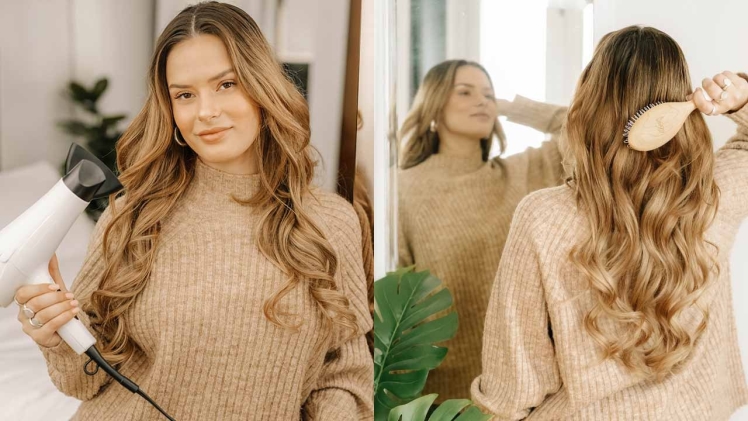
Tired of battling with curly hair that seems to have a mind of its own? We feel your pain! Having unruly locks can be a daily struggle, whether it’s wild curls or stubborn flyaways. But fear not because we’re here to rescue you from the never-ending battle against frizz. This ultimate guide will uncover the secrets to taming those rebellious strands. From expert tips and tricks to must-have products, get ready to say goodbye to frizzy hair and hello to smooth, silky locks bound to turn heads. It’s time for curly hair no more – let’s dive in!
Introduction: Why is Frizzy Hair a Problem?
Curly hair is a common concern for many individuals, leading to frustration and self-consciousness. But what causes this unruly hair, and why is it often challenging to manage? In this section, we’ll delve into the science behind curly hair and explore the various factors contributing to its unruliness. For those seeking solutions, various frizzy hair products are available to help address this common problem.
The Science Behind Frizzy Hair:
To understand why frizz occurs, we first need to understand the structure of our hair. Each strand of hair comprises three layers – the cuticle, cortex, and medulla. The outermost layer is called the cuticle, which protects the inner layers from damage.
When our hair gets exposed to moisture or humidity in the air, it causes the cuticle layer to swell up. This results in an uneven surface, which makes it difficult for light to reflect evenly off our strands. As a result, our hair appears dull, dry and frizzy.
Factors Contributing to Frizz:
1) Weather: Humidity levels play a major role in causing frizziness. High humidity means more moisture in the air, which can penetrate through your hair’s cuticle layer, causing it to swell up.
2) Hair type: People with curly or wavy hair are more prone to frizz than their natural texture.
Understanding the Causes of Frizz
Frizzy hair can be a major frustration for many people, causing their locks to look unruly and difficult to manage. In this section, we will dive into the various factors that can contribute to curly hair.
1. Humidity:
When the air is high in moisture, it penetrates the hair shaft and disrupts its natural pattern, causing it to swell and appear frizzy. This is because water molecules are attracted to protein molecules in the hair, increasing the cuticles’ volume and expansion.
2. Dryness:
On the other hand, lack of moisture can also cause frizz. When our hair lacks hydration, it becomes brittle and prone to breakage. This leads to flyaways and static electricity, resulting in a frizzy appearance.
3. Genetics:
Believe it or not, genetics play a role in determining your hair type and texture – including whether you are more prone to frizz. You may have inherited those traits if your parents have naturally curly or wavy hair.
4. Over-washing:
It’s important to balance keeping your scalp clean while preserving its natural oils, which help protect against frizziness.
Tips for Preventing Frizz
It occurs when the hair cuticle becomes raised, allowing moisture to enter and cause the strands to swell and become frizzy. While some frizz is natural and can add texture to your hair, excessive frizz can be frustrating and difficult to manage. Luckily, you can incorporate several tips and tricks into your hair care routine to prevent frizz and keep your locks looking smooth and sleek. One helpful tool to combat frizz is choosing the best hair pick for curly hair, as it can assist in gently detangling and styling your curls without causing additional frizz.
- Use a Moisturizing Shampoo and Conditioner: The first step in preventing frizz starts with using the right shampoo and conditioner. Look for items created with dry skin in mind or damaged hair, as these contain moisturizing ingredients that will help nourish your locks from within.
- Apply a Leave-In Conditioner: For added moisture and protection against frizz, consider using a leave-in conditioner after washing your hair.
- Avoid Over-Washing: Overwashing can rob your hair of its natural oils, causing dryness and increased frizziness. Instead of washing your hair every day, only do it once or twice a week.
– Selecting the appropriate shampoo and conditioner
With so many options available in the market, finding the perfect match for your locks can be overwhelming.
- Know Your Hair Type: The first step to choosing the right shampoo and conditioner is to know your hair type. Is it oily or dry? Fine or thick? Understanding this will help you determine which products best suit your hair.
- Look for Moisturizing Ingredients: Frizzy hair is often a result of a lack of moisture in the strands. Therefore, looking for moisturizing ingredients in shampoos and conditioners such as glycerin, coconut oil, shea butter, or argan oil is essential.
- Avoid Sulfates: Sulfates are harsh chemicals commonly found in shampoos that strip away natural oils from the scalp, leading to dryness and frizz. Opt for sulfate-free shampoos that gently cleanse without stripping away essential oils.
- Consider Your Scalp Health: A healthy scalp equals healthy hair. Pick a hairstyle if your scalp is greasy, clarifying shampoo that removes excess oil buildup without further drying the scalp. Opt for a moisturizing shampoo for a dry scalp that nourishes the strands and the scalp.
– Avoid Heat Styling Tools
The high temperatures from these tools can make your hair dry by removing natural moisture and becoming dry, brittle, and prone to breakage.
To avoid further aggravating curly hair, it’s important to utilize heat-styling products as little as possible. Here are some tips on how to do so:
1. Air Dry Whenever Possible
The best way to avoid heat damage is by allowing your hair to air dry naturally. This may not always be feasible if you’re short on time or have thick or long hair that takes forever to dry. However, try incorporating air drying into your routine whenever you can. After washing your hair, gently squeeze out excess water with a towel and let it air dry while you do your morning routine.
2. Use Heat Protectant Products
If using heat-styling tools is necessary, apply a heat-protectant product first. By forming a barrier between your hair and the high temperatures produced by the styling tool, these products lessen harm to your hair.
3. Lower the Temperature Settings
Using blow dryers or flat irons, opt for lower temperature settings instead of blasting them at maximum heat. It may take longer for your hair to dry or straighten this way, but it will be less damaging.
Why Microfiber?
Microfiber towels are made from ultra-fine synthetic fibres that are tightly woven together. This creates a soft and smooth texture that is gentle on the hair compared to regular towels, which can be rough and abrasive. The microscopic fibres also have greater absorbent properties, making them more effective at soaking up excess water from your locks.
T-shirts as an Alternative
In addition to microfiber towels, many people swear by using a cotton t-shirt to dry their hair. This is because t-shirts have a soft and smooth texture like microfiber towels, but they are even gentler on the hair due to their lack of loops or ridges like traditional towels.
Benefits of Using Microfiber Towels or T-shirts
- Reduces Frizz: Regular towels can cause friction on the hair, which leads to frizz and breakage. Microfiber towels or t-shirts help minimize this friction, resulting in smoother and less frizzy strands.
- Shorter Drying Time: Due to its superior absorbent properties, microfiber towels or t-shirts can soak up excess water from the hair much faster than regular towels. This means you will spend less time blow-drying your locks, reducing heat damage and saving time in your daily routine.
Conclusion
In conclusion, managing curly hair involves understanding its causes and adopting effective hair care practices. Factors such as humidity, dryness, genetics, and over-washing all play a role in the battle against frizz. Choosing the right products, minimizing heat styling, and rethinking your drying routine, such as using microfiber towels or t-shirts, can make a substantial difference in achieving smoother, more manageable locks.
