

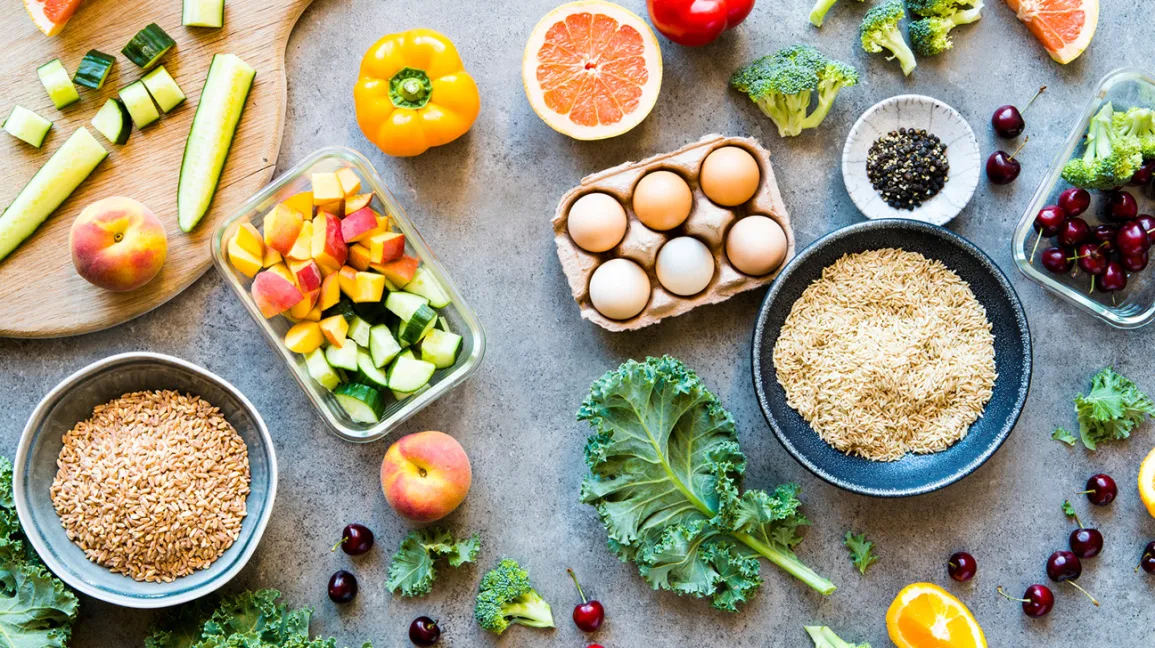
There are numerous debates over which diet is optimal for you. Nonetheless, it is agreed upon that diets that emphasize fresh, whole products while limiting processed foods are better for overall health. In addition to eating a range of healthful whole foods, you can supplement your diet with fortified foods to address nutritional gaps and promote overall health.
According to a gut health expert, a good nutrition plan that is tailored to your body type and lifestyle will provide outstanding results. When it comes to nutrition, there is not a one-size-fits-all strategy, just as the mainstay of Functional nutrition.
Functional foods include a wide range of foods. It can include minimally processed, whole foods, as well as fortified, enriched, or improved foods. In general, when ingested on a regular basis and at specific amounts, these foods have the potential to be helpful to one’s health. Let’s continue on learning more about Whole-food and the wonders it can do for you!
What is “Whole-Food”?
Whole foods are those that have not been altered from their natural state. They have no processed sugar, starches, artificial flavors, or other artificial additives. They are not primarily manufactured in a facility, making them the precise opposite of processed foods.
Whole foods, unlike many foods with added sugar, are not engineered to be addictive because they are not manufactured. Choosing largely whole foods results in a nutrient-dense diet that is naturally high in fiber, minerals, and vitamins.
Benefits of Whole-food Diet
There are numerous advantages to following a whole food diet. Whole foods aid in weight loss since they have less calories than processed foods. They also help to regulate blood sugar levels, enhance digestion, and alleviate muscle discomfort. You feel much happier and more energized as well as healthier and stronger.
Whole foods have more nutrients such as fiber, minerals, and vitamins than processed meals and, when consumed in large quantities, may reduce the risk of heart disease, cancer, and type 2 diabetes. Whole foods allow nutrients to interact as they should. Because so much is removed during processing, many processed goods, such as white flour, are fortified with vitamins. However, even fortified foods do not provide the same nutrition as whole foods.
Eating a balanced, unprocessed diet may also help reduce inflammation, which may increase the risk of heart disease and pain. Antioxidants are more commonly present in complete foods. Antioxidants aid in the battle against free radicals, which can harm your body’s cells. They are present in all natural foods, particularly plant foods such as vegetables, fruits, nuts, whole grains, and legumes.
Consuming whole meals may assist to nourish the beneficial bacteria in your stomach. Whole fruits and vegetables, as well as whole grains, contain fiber and nourish the good bacteria, which helps improve digestive health.
What You Should Know
Before embarking on a whole-foods diet, you should be aware that the majority of the foods you consume are processed in some way. Processed foods include those that have been cooked, canned, frozen, packaged, or nutritionally altered. Nutritionally modified foods include those that have been fortified or preserved. However, any time a product is prepped or cooked, it is processed in some way.
While the variety of foods available on a whole foods diet is surprising—meat, dairy, grains, fruits, veggies, nuts, legumes, and much more are a few tell-tale signs of items that don’t meet the criteria.
Keep track of the foods you consume. Purchase raw materials and prepare them yourself. If you have the space, you may also grow a small vegetable garden. Check the labels and tags on your groceries to confirm that the components are in accordance with your whole food diet.
Many ready-to-eat items, for example, frozen dinners, beverages, baked goods, and candies may contain artificial substances such as coloring, preservatives, and flavorings. You should also avoid any items that contain added sugars. Anything containing one of the ingredients on this list of hidden sugars is not a full food.
What Food Do You Eat?
Consume foods in their natural state. You can consume anything that grows in the ground or is farmed/fished/hunted. Consume no junk/processed foods, foods containing more than 5 ingredients, or items containing components you cannot pronounce. Avoid anything that comes in a box and was manufactured in a factory.
What exactly is a whole food?
- Leafy greens, carrots, avocados, radishes, cucumbers, squash, and sweet potatoes are all examples of fresh veggies.
- Legumes, nuts, and items manufactured from them like hummus and nut butter are OK as long as they are free of added sugar, harmful fats, and chemicals.
- Apples, pears, oranges, watermelon, tomatoes, grapes, and bananas, fresh or dried
- Plain greek yogurt, for example, contains no added sugar or chemical flavorings.
- Baked, roasted, grilled, or boiled meat, poultry, and seafood
What is NOT a whole food?
- Anything with a lot of substances, chemicals, or ingredients you can’t pronounce
- The majority of packaged foods
- The majority of ready meals in the freezer aisle
Conclusion
A whole food diet entails getting as many nutrients as possible from natural sources while avoiding nutrient-depleted manufactured foods. Plant-based foods such as veggies, fruit, and nuts, as well as animal foods including such meat ,eggs, fish, and chicken, are examples of whole foods. A whole food diet can supply you with every one of the nutrients your body requires for good health.
A well-balanced, nutritious diet should include a wide range of functional foods, including nutrient-dense whole foods such as fruits, veggies, legumes, and whole grains. These meals not only provide your body with the minerals and vitamins it requires, but they also promote general wellness. A whole foods-based eating plan is intended to be a long-term, sustainable strategy. It’s about as self-explanatory as it gets: you fill your plate with whole foods and avoid processed foods as much as possible.
